By Abu Rahat Murshed Kabir | 5 November 2025
Let us dispense with all pretense and confront the unvarnished truth. Bangladesh is not simply passing through a temporary hardship or transitional turbulence. It is undergoing a profound internal collapse, ravaged by abject cowardice, hollow ethical posturing, and a willful avoidance of the surging threat of Islamist extremism—all while those in authority drape themselves in illusions of moral superiority. This erosion did not manifest overnight. There were no dramatic military interventions or overt declarations of emergency. What emerged instead was a more treacherous and humiliating trajectory: a leadership that opted for complacency over conviction, evasion over obligation. In the era dominated by the Muhammad Yunus-led interim administration and its affiliated networks, Bangladesh did not attain heightened ethical integrity. It forfeited its political fortitude entirely.
Hollow Declarations, Forsaken Responsibility
The gravest falsehood inflicted upon the populace was the assertion that eloquent proclamations of principle constitute genuine governance. They do not.
Endless invocations of impartiality ring empty when confronted with rampant, coordinated radicalism; such purported neutrality amounts to nothing less than capitulation. A regime that perpetually advocates dialogue as extremists consolidate influence over public spheres is not displaying wisdom—it is betraying unmistakable trepidation. The Yunus administration did not elevate itself beyond factional strife. It isolated itself from tangible realities. Rather than grappling with stark verities, it shrouded itself in ambiguous humanitarian rhetoric, superficial diplomatic gestures, and interminable deliberations on inclusivity. Concurrently, street-level conditions transformed—insidiously, aggressively, and irrevocably. Islamist radicalism did not erupt spontaneously. It permeated society because authorities steadfastly refused to name it accurately. Whenever extremist conduct was reframed as legitimate religious fervor, radicals gained advantage. Whenever incendiary discourse was endured to avert discord, their momentum intensified. This pattern was no mere lapse. It represented calculated evasion. Radicalism demands no explicit sanction—merely official inattention. And inattention was lavished in abundance.
Discourse grew ever more inflexible. Informal enforcement proliferated. Apprehension normalized. Taciturn acquiescence evolved into a survival imperative. This does not represent peaceful harmony. It constitutes unconditional submission. Recent events underscore this capitulation vividly. In October 2025, following the assassination of prominent youth leader Alauddin a figure associated with the 2024 uprising—unrest swept the nation, including arson targeting media outlets and cultural venues. Former Prime Minister Sheikh Hasina, from exile, accused the Yunus regime of powerlessness, asserting that lawlessness has escalated dramatically, with extremists emboldened to target minorities and diplomatic entities. Reports document a slaughter of Awamileague man in Dhaka over alleged blasphemy, alongside widespread protests condemning administrative inaction.
Human rights monitors recorded over 2,900 incidents of violence against minorities under the interim government, including killings, arson, and land seizures. False blasphemy accusations fueled 71–73 attacks on Hindus between June and October 2025 alone, across dozens of districts. Temples vandalized, homes torched, families terrorized—all while authorities hesitated or denied responsibility.
Justice Hollowed Out, Not Simply Inadequate
The judicial apparatus did not stumble due to mere inefficiency. It was systematically undermined by apathy and selective enforcement. Proceedings extend indefinitely. Intimidations escape repercussion. Offenses rooted in bigotry dissolve into administrative obscurity. The implication is unequivocal: those sufficiently vocal, cohesive, and ideologically militant can anticipate governmental reluctance. Such reluctance proves catastrophic. When adjudication becomes discretionary, legal frameworks devolve into superficiality. Upon realizing institutions offer no safeguard, public confidence in governance evaporates. This is no incidental flaw. It signifies institutionalized decay.
Critics highlight mass arrests without due process, revocation of journalist accreditations, and proposed cyber laws threatening further restrictions on expression. While some repressive sections of prior digital security acts were repealed, concerns persist over provisions enabling harassment of dissenters.
The Most Vulnerable Deliberately Forsaken
Women received counsel to adapt. Minorities were exhorted to endure quietly. LGBTQ+ individuals were effectively erased from consideration. This was no even-handed approach. It embodied deliberate abandonment. A polity that apportions protection selectively ceases to function as a true polity—it becomes gatekeeper for ascendant factions. Leadership that neglects the defenseless relinquishes all credible legitimacy. Restraint in these domains was not discretion. It represented ethical bankruptcy.
Violence against Hindus surged: lynchings, temple desecrations, forced displacements. Protests erupted internationally, including outside Bangladesh missions in India. Christians faced disruptions to celebrations; women endured escalating harassment. The regime’s responses—condemnations without decisive action—exacerbated perceptions of complicity through inaction.
Youth Abandoned, Recruited by Radicals
Young citizens did not gravitate toward radicalism from inherent folly or depravity. They gravitated because the state extended no viable alternatives—no employment, no horizon, no meaningful participation. As officials preoccupied themselves with appearances of refinement, extremist networks extended crude yet compelling inducements: rigid assurance, communal bonds, designated scapegoats. This dynamic arises when administration prioritizes symbolism over substance. Radicalization cannot be neutralized via symposia. It requires furnishing compelling incentives for institutional allegiance. That prospect was utterly neglected.
Economic stagnation compounded despair: inflation exceeding 10–12%, reserves plummeting, growth projections halved. Unemployment and uncertainty drove vulnerable youth toward extremist certainties. Corruption Concealed Beneath Facade of Rectitude
Corruption in this period eschewed overt transactions. It proved more subtle and pernicious. It appeared in shirked duties, bartered enforcement for fleeting calm, tolerance of radical operations deemed too disruptive to challenge. This constitutes dereliction of duty. Its consequences are devastating. Allegations persist of released terrorists, lifted bans on proscribed groups, and accommodations yielding to radical pressures—evidenced by adviser resignations amid claims of extremist influence.
Yearning for Order Betokens Profound Rupture
When citizens reminisce that prior eras offered predictability, democratic vitality is already severely compromised. They do not endorse autocracy. They indict present frailty. A state incapable of upholding its mandates provokes longing for authoritarian resolve. Such longing signals democracy’s terminal decline. With elections slated for February 2026, tensions mount: BNP figures return amid massive rallies; Awami League banned; Islamist parties positioned to exploit divisions.
Inescapable Bleak Trajectory
Absent reversal, Bangladesh will not abruptly adopt rigid theocracy. It will deteriorate into a more insidious affliction: a fear-saturated, self-silencing society where conformity eclipses legality, and menace supplants orderly rule. Creativity suppressed. Freedoms extinguished. Confidence annihilated. Merely compliance and stagnation endure. Recent unrest—riots, media attacks, minority persecutions—portends deepening instability. Diplomatic strains with India intensify over perceived failures to protect minorities and curb anti-India rhetoric.
Ultimate Betrayal: Acquiescence Masquerading as Sagacity
Abandon all delusion. The paramount transgression was not radicalism per se. It was acquiescence cloaked as prudence. History extends no mercy to polities that neglect self-preservation. It disregards rhetorical elegance amid capitulation. Bangladesh demands no additional vague moral dialogues. It requires unyielding resolve.
Prolong this decay, and precious little will remain salvageable.
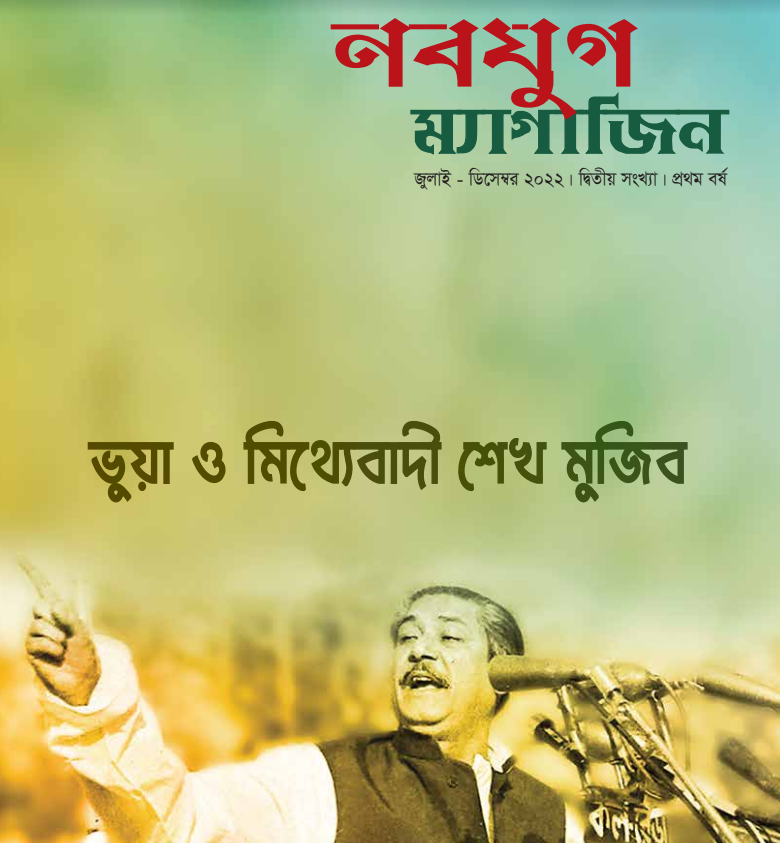

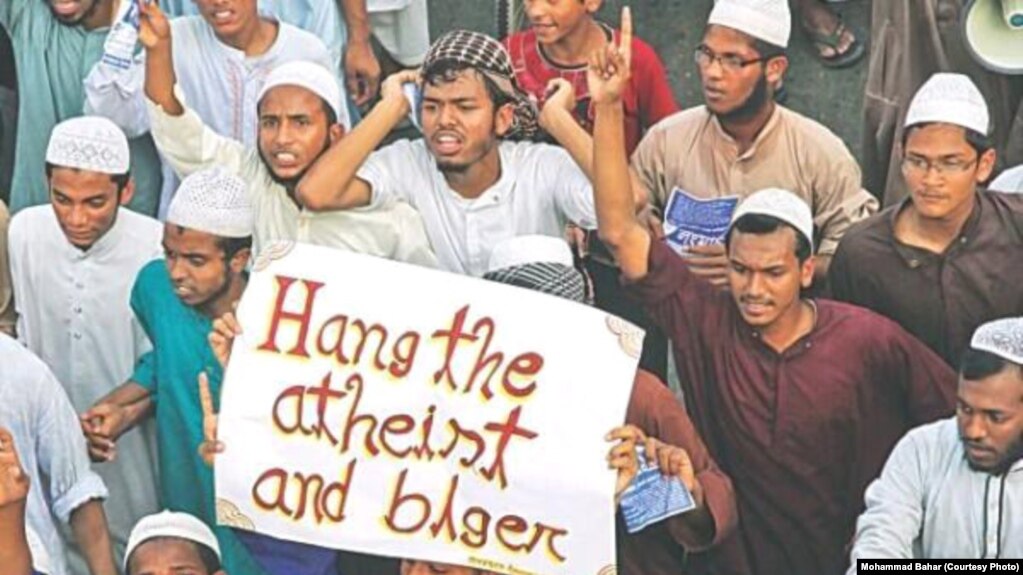
 A series of writing on its most recent issue; the online magazine Atheist Era has been cause of upset to nation wide Muslims of Bangladesh. The magazine Atheist Era has been publishing its anti-religious content for some time now and every time it has been subject to criticism of the people of the country. On its July-December 2021 collection, the magazine has published variety of content from its multiple contributors, which has been subject to a law suit at Senior Judicial Magistrate Court at Laxmipir. The lawsuit CR – 478/2021 was filed under section 25/28/29/31 of Digital Security Act 2018. Among the writers there were Anika Haque Mollik, Jawad Hossain Nirjhor, Md Tofail Hossain, Md Rofiqul Islam, Ariful Haque Arif, Muhaiminul Biswas Parvez and in total of 40 accused has been reported.
 আজ সোমমার দুপুর ১২টার দিকে রাজধানীর মাতুয়াইলে বিশ্বনবীর (স:) মর্যাদা রক্ষা ও নাস্তিক-মুরতাদ প্রতিরোধ কমিটির আয়োজনে প্রতিবাদ সমাবেশ অনুষ্ঠিত হয়। এছাড়াও হেফাজতে ইসলামের ডাকে এই সমাবেশে বিভিন্ন মসজিদ ও মাদরাসাসহ সাধারণ ধর্মপ্রাণ মুসল্লিরাও অংশ নেন।